Skills That Connect Learning with Opportunity
Strengthening practical capability so rural people can learn, practise, apply knowledge and create meaningful opportunities close to their communities.From Learning to Productive Capability
Skill development is an important foundation for rural development. The focus is on practical knowledge and capabilities that can be connected with local resources, livelihoods, enterprise and community needs.
The approach recognises that effective skill development is not limited to training alone. It also involves practice, application, confidence and opportunities to use what has been learned.
Identify Local Potential. Build Practical Skills. Connect with Opportunity.
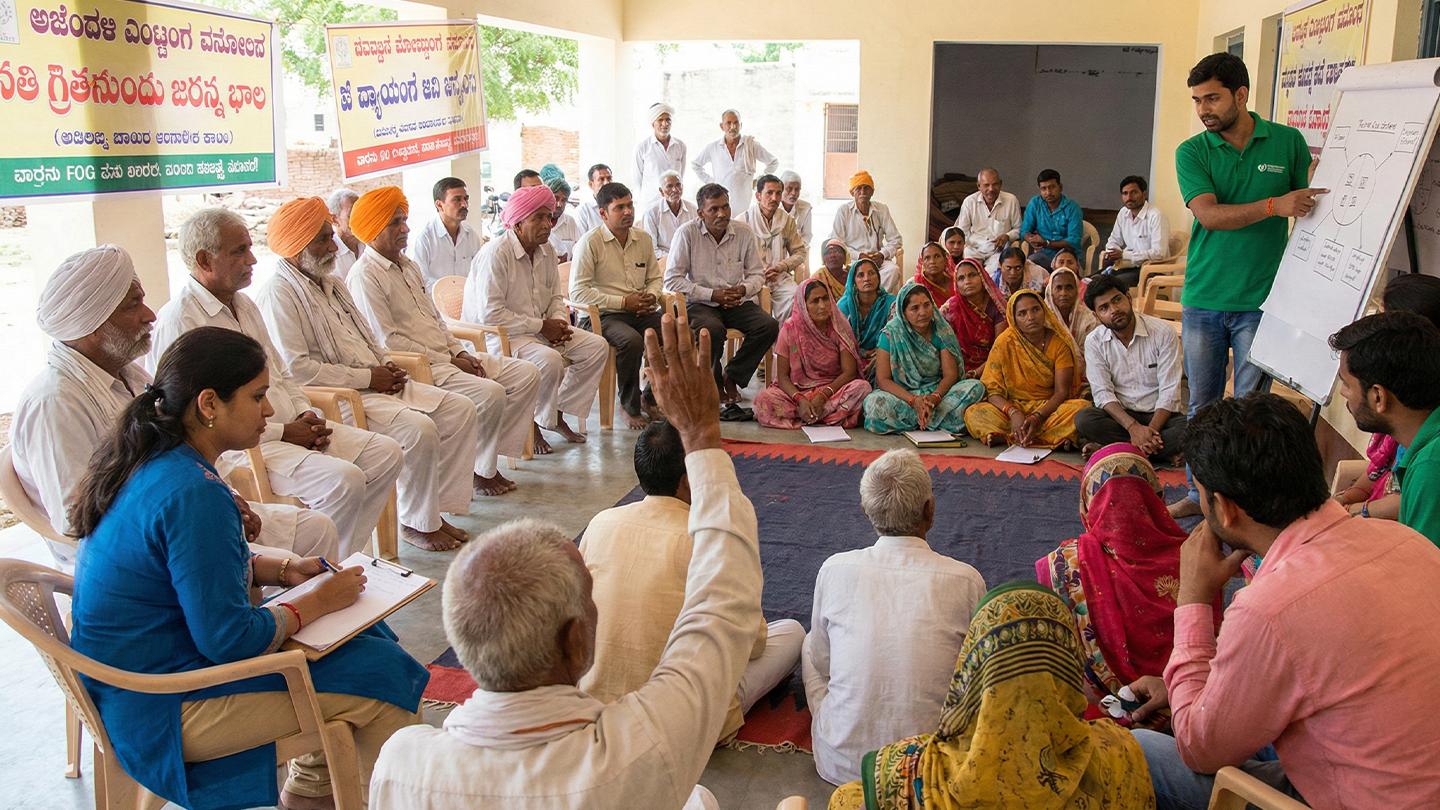
Identify Local Potential
Recognise existing knowledge, interests, traditional capabilities and emerging skill needs within rural communities.
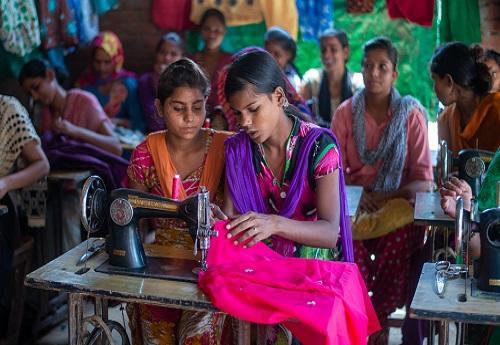
Build Practical Skills
Strengthen hands-on capability through relevant learning, practice and application.
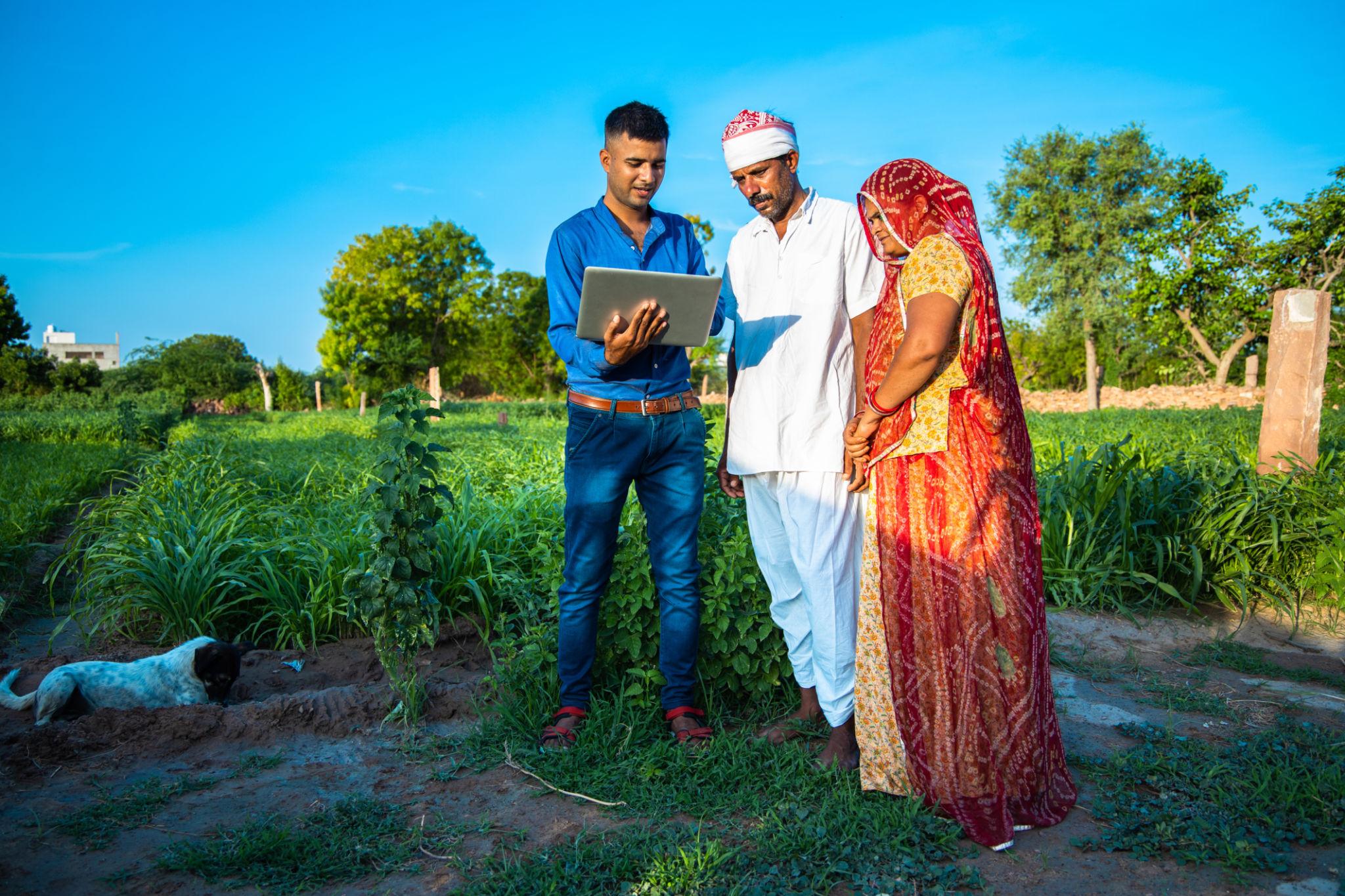
Connect with Opportunity
Relate skills to livelihoods, rural enterprise, productive activity and wider community development.Skills Linked to Rural Strengths
Agriculture & Horticulture
Practical knowledge connected with cultivation, horticulture and sustainable rural production.

Food & Value Addition
Skills related to processing, preservation, preparation and improvement of locally available products.

Traditional Occupations
Learning and strengthening capabilities associated with traditional rural occupations and knowledge systems.

Rural Enterprise
Enterprise-oriented skills that can help connect local capability with productive opportunity.

Digital & Computer Skills
Basic digital capabilities that can support learning, communication, information access and work.

Women & Youth Skills
Relevant skill opportunities that encourage wider participation of women and young people in development.Learn → Practise → Apply → Create → Strengthen
Learn
Acquire relevant knowledge and understand the purpose behind a skill.
Practise
Build confidence through repeated hands-on learning and guided practice.
Apply
Use skills in real-life activities, livelihoods, production or community contexts.
Create
Explore productive ideas, improved practices and opportunities for enterprise.
Skills for Individuals, Families and Communities
Rural skill development can contribute to stronger livelihoods when learning is connected with the realities of local communities.
The emphasis is on practical capability that can support individuals while also contributing to household resilience, community participation and productive local activity.
Capability Focus
- Practical learning
- Hands-on experience
- Local knowledge
- Livelihood capability
- Enterprise readiness
- Community participation
Skills Become More Valuable When They Connect with the Local Economy
Local Resources
Skills can be linked with agricultural, natural, cultural and human resources available within the community.
Livelihoods
Practical capability can strengthen the ability to participate in productive and livelihood-related activities.
Enterprise
Skills can provide a foundation for value addition, entrepreneurship and locally relevant rural enterprise.
Skill Development as Part of an Integrated Rural Approach
Building the Direction with Local Context
The skill areas and approaches presented here describe the Trust’s rural-development orientation and potential programme direction. Specific training centres, courses, beneficiaries, trainers, partnerships, numbers or outcomes should be published only after formal verification.
This distinction helps maintain accurate institutional communication while allowing the Trust’s skill-development work to evolve according to local needs and opportunities.
Connect Skills with Rural Opportunity
Explore the related areas through which knowledge, skills, livelihoods and local capabilities can contribute to stronger rural communities.